 Pankaj Sharma
 From Gatekeeper of Risk to Architect of Opportunity: Abhijeet Shukla on Building IP-Led Studios
The entertainment lawyer and Celestia Pictures co-founder explains why legal thinking belongs at the start of the creative process, not the end.
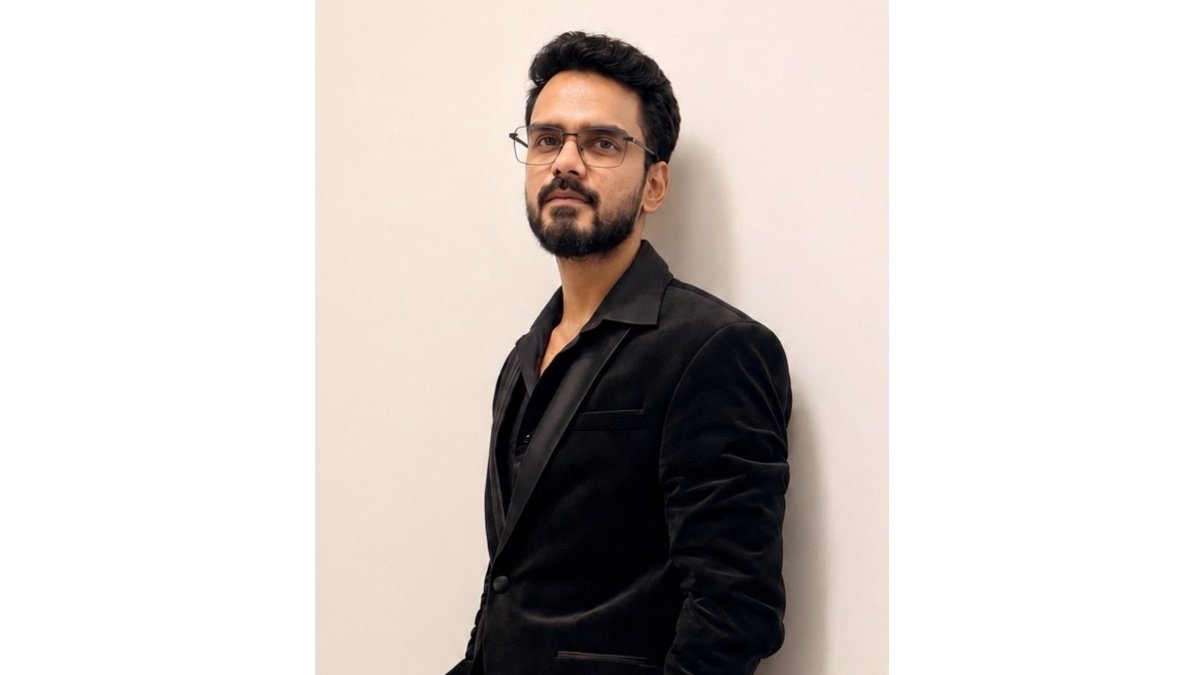
For more than 10 years, Abhijeet Shukla sat in rooms where films, music and talent were being turned into businesses, usually as the lawyer negotiating rights, structuring deals and fixing problems that could have been avoided much earlier. Today, the Managing Partner of AKS Juris & Co. (Advocates & Solicitors) sits on the other side of the table as Co-Founder of Celestia Pictures.
The reason, he says, was a pattern he kept seeing. Some of the most promising ideas, he explains, “do not fail because the creative idea is weak. They fail because the idea was never converted into a properly structured business opportunity.” That lens now shapes how he reads a film: “A good film is a creative product. A great film can also become an intellectual property asset.“
At Celestia, legal thinking starts early. “For us, legal does not begin when somebody sends across a 40-page agreement. It begins when somebody says, ‘We have an idea.'” His approach is rights mapping before production: identifying the rights, the owners, the intended exploitation and the possible future value before significant money is committed. Far from restricting creatives, he argues, this gives them more freedom.
Central to this is what he calls an IP map. Rather than treating rights as a single bucket, Shukla separates the layers: copyright in the screenplay and music, performer rights, character and title rights, publicity rights, and the territories and media in which each can be exploited. A vaguely drafted “all rights” clause, he notes, is no substitute for intelligent rights architecture, and retaining rights is sometimes commercially smarter than selling them. Every project, he adds, should also have a rights exit strategy.
On the most common mistakes among independent producers, he is direct. “The biggest mistake is starting production before understanding what has actually been acquired.” He has seen talent arrangements based on WhatsApp messages, music rights that were assumed rather than documented, and agreements that inadvertently gave away remake and sequel rights. Celestia builds every project around four questions: ownership, control, exploitation and exit, and maintains a clean IP file from day one.
Does that discipline slow things down? Shukla says the opposite. With 6 projects completed in its first month and 15 more in the pipeline, Celestia relies on systems rather than heroics: templates, approval workflows, rights checklists and documentation matrices. “Speed and legal discipline are not opposites. Poor systems are what make legal work slow,” he says. Some things, however, are never compromised, including chain of title, talent consent, music rights and clearances. As he puts it, “you cannot manufacture a clean chain of title after a dispute has already arisen.”
Looking ahead, Shukla believes Indian entertainment is moving from producing individual projects to building IP ecosystems, where a story becomes a film, a film creates characters, and characters travel into sequels, series, animation, games and merchandising. That will demand more from lawyers, who will need to understand artificial intelligence, synthetic media, personality rights and platform economics. His advice to creators is not to become lawyers, but to ask three questions before signing: “What am I creating? Who owns it? And what happens if it becomes successful?“
For Shukla, the goal at Celestia is a lawyer, a creative team and a business team sitting together at the beginning of a project. In his words, that is the real evolution of entertainment law: “moving from being a gatekeeper of risk to becoming an architect of opportunity.”
0 Comment