
 Pankaj Sharma
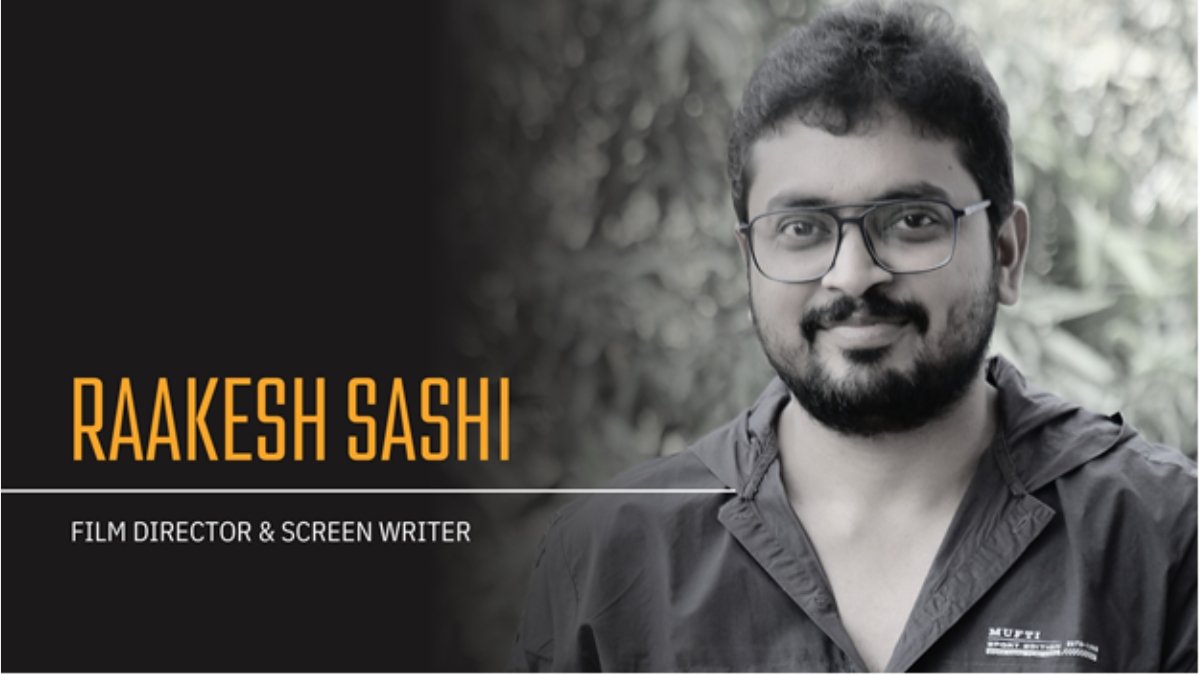
 Raakesh Sashi: The Story-First Director Redefining Telugu Cinema’s New Wave
New Delhi [India] : Raakesh Sashi is presented as a filmmaker associated with a distinct narrative approach within contemporary Telugu cinema. His work is characterized by an emphasis on storytelling rather than reliance on spectacle or commercially driven elements such as opening weekend performance or star power. In a cinematic environment often influenced by scale and visibility, his approach reflects a quieter yet consistent engagement with narrative substance. This positioning aligns with a broader shift within the industry, where a segment of filmmakers is increasingly prioritizing depth, character, and authenticity in storytelling. Within this context, Raakesh Sashi emerges as a representative figure of a developing narrative-driven movement.
Early Context
The contemporary Telugu film industry has traditionally been influenced by commercial metrics, including box office performance and the prominence of established actors. However, the provided text identifies a gradual transformation within this ecosystem. A group of filmmakers has begun to focus on storytelling as a primary creative driver, emphasizing narrative coherence and emotional depth over spectacle.
This shift is not described as abrupt or widely publicized. Instead, it unfolds gradually and becomes discernible through closer observation of individual filmmakers and their body of work. The emergence of such voices reflects a broader change in creative priorities, where narrative integrity is increasingly valued.
In this context, Raakesh Sashi is identified as one of the filmmakers contributing to this evolving paradigm. His work is situated within this movement, reflecting a conscious departure from formula-driven filmmaking and an inclination toward grounded storytelling.
Development
The development of Raakesh Sashi’s creative identity is closely linked to his consistent preference for story-driven narratives. Rather than relying on large-scale visual elements or exaggerated cinematic moments, his films emphasize character development, interpersonal relationships, and internal conflicts.
This approach is presented as deliberate. In an industry where trends frequently influence creative decisions, maintaining a consistent narrative focus suggests a defined creative intent. His work reflects an effort to engage with storytelling at a structural and emotional level, rather than adopting widely accepted formulas.
Furthermore, the text situates his work within a broader industry transformation influenced by external factors such as the rise of over-the-top (OTT) platforms. These platforms have contributed to changing audience expectations, fostering a demand for narratives that are perceived as authentic and relatable. As a result, filmmakers who prioritize grounded storytelling are increasingly relevant.
In this evolving environment, Raakesh Sashi’s work is described as aligned with emerging audience sensibilities. His films do not merely respond to these changes but also participate in shaping them. This alignment reinforces his position as part of a larger narrative shift within Telugu cinema.
Additionally, recognition of such filmmakers is described as gradual rather than immediate. Unlike directors who gain attention through a single major success, Raakesh Sashi’s recognition is portrayed as cumulative, emerging from consistent creative output and clarity of vision.
Contributions Features
A closer examination of Raakesh Sashi’s films provides further insight into his storytelling approach. The text references three of his works: Jathakalise, Vijetha, and Urvasivo Rakshasivo. Across these films, a consistent thematic focus is identified.
Firstly, there is an emphasis on exploring varied emotional landscapes. Each film operates within its own tonal framework, yet all maintain a central focus on character-driven narratives. This suggests an ability to navigate different narrative contexts while preserving a core storytelling philosophy.
Secondly, his films prioritize human relationships and internal conflict. The narratives are structured around the interactions between characters and the emotional consequences of their decisions. This focus contributes to a sense of realism and groundedness in storytelling.
In addition, the consequences arising from character actions are presented as integral to the narrative progression. Rather than relying on external plot devices, the stories evolve organically from within the characters themselves. This approach underscores a commitment to narrative coherence and emotional authenticity.
Another notable feature is the discipline in narrative construction. The text highlights a conscious avoidance of exaggerated or artificial moments. Instead, situations are allowed to develop naturally, guided by character motivations and interactions. This restraint is presented as a defining aspect of his creative process.
Moreover, this method contrasts with broader industry tendencies where spectacle often takes precedence over substance. By maintaining narrative discipline, Raakesh Sashi’s work distinguishes itself within the cinematic landscape.
Impact / Significance / Outcomes
The significance of Raakesh Sashi’s work is framed within the broader transformation of Telugu cinema. As the industry increasingly accommodates diverse storytelling formats, there is a growing space for mid-scale, content-driven films. This shift creates opportunities for filmmakers who prioritize writing and emotional depth.
In this context, Raakesh Sashi’s approach is described as aligned with future directions in storytelling. His focus on character and narrative positions him within a segment of filmmakers who are contributing to a redefinition of cinematic priorities.
Furthermore, the text emphasizes that recognition in contemporary cinema is not limited to highly visible or mainstream figures. There is equal importance in acknowledging filmmakers whose work demonstrates consistency and clarity of intent. Raakesh Sashi’s inclusion in such discussions reflects this broader evaluative framework.
Additionally, the rise of OTT platforms has played a role in expanding audience exposure to diverse storytelling styles. This has contributed to an increased appreciation for narratives that emphasize authenticity and emotional resonance. Filmmakers like Raakesh Sashi, who align with these qualities, are positioned to resonate more strongly with evolving audience preferences.
The impact of his work is therefore not described in terms of commercial success or widespread acclaim, but rather in terms of its alignment with emerging storytelling trends. This positioning underscores a form of relevance that is rooted in narrative integrity rather than visibility.
Conclusion
In summary, Raakesh Sashi is presented as a filmmaker whose work reflects a consistent commitment to story-driven cinema within the Telugu film industry. His approach emphasizes character, emotional realism, and narrative discipline, distinguishing his films from those driven primarily by spectacle or commercial considerations.
The broader context of his work includes a gradual shift within the industry toward more grounded and authentic storytelling. Influenced in part by changing audience expectations and the rise of OTT platforms, this shift has created space for filmmakers who prioritize narrative substance.
Raakesh Sashi’s films, including Jathakalise, Vijetha, and Urvasivo Rakshasivo, exemplify this approach through their focus on human relationships, internal conflict, and organic narrative progression. His consistent creative stance reflects a deliberate engagement with storytelling principles.
Ultimately, his significance lies not in immediate visibility but in sustained alignment with evolving cinematic trends. As the industry continues to diversify in terms of content and format, filmmakers who maintain clarity and consistency in their storytelling are likely to remain relevant.
Accordingly, Raakesh Sashi represents a voice within Telugu cinema that contributes to an ongoing transformation in narrative priorities. His work illustrates how consistency, restraint, and a focus on character can define a filmmaker’s identity within a changing cinematic landscape.
0 Comment